Optimal Timing for Windows Installations
Scheduling Windows installations requires consideration of various factors including system readiness, workload periods, and environmental conditions. Proper timing ensures minimal disruption and optimal performance, especially for businesses and organizations that rely heavily on computer systems.

Spring is often ideal due to moderate weather and lower workload demands.

Early summer can be suitable, especially before peak business seasons.

Fall offers cooler temperatures and less interference with holiday preparations.

Ways to make Windows Installations work in tight or awkward layouts.

Popular materials for Windows Installations and why they hold up over time.

Simple add-ons that improve Windows Installations without blowing the budget.

High-end options that actually feel worth it for Windows Installations.

Finishes and colors that play nicely with Windows Installations.
Windows installations are critical updates that can enhance system security, improve performance, and add new features. According to industry reports, timely updates can reduce vulnerability exposure by up to 70 percent. Proper scheduling can also prevent downtime during busy periods, ensuring business continuity.
Perform installations during low-traffic periods to minimize operational impact.
Ensure hardware and software compatibility before scheduling updates.
Back up data and verify system requirements prior to installation.
Conduct system tests to confirm successful updates and stability.

Technicians carefully execute updates to ensure system integrity.

Backing up data before installation is essential for data protection.

Updated systems show improved performance and security features.

Designated times for updates help reduce operational disruptions.

Little measurements that prevent headaches on Windows Installations day.

A 60-second routine that keeps Windows Installations looking new.

A frequent mistake in Windows Installations and how to dodge it.

Small tweaks to make Windows Installations safer and easier to use.
| Season | Best Practices |
|---|---|
| Spring | Schedule during moderate weather, perform system checks beforehand. |
| Summer | Plan before peak season, ensure proper backups are in place. |
| Fall | Align with end-of-year updates, verify hardware compatibility. |
| Winter | Avoid during extreme cold, ensure power stability. |
| Off-Peak | Utilize periods of low activity for minimal disruption. |

Pre-installation steps ensure smoother updates.

Technicians carefully manage the update process.

Verifying system stability and performance.

Designated windows reduce operational impact.

Lower-waste or water-saving choices for Windows Installations.

The short, realistic tool list for quality Windows Installations.
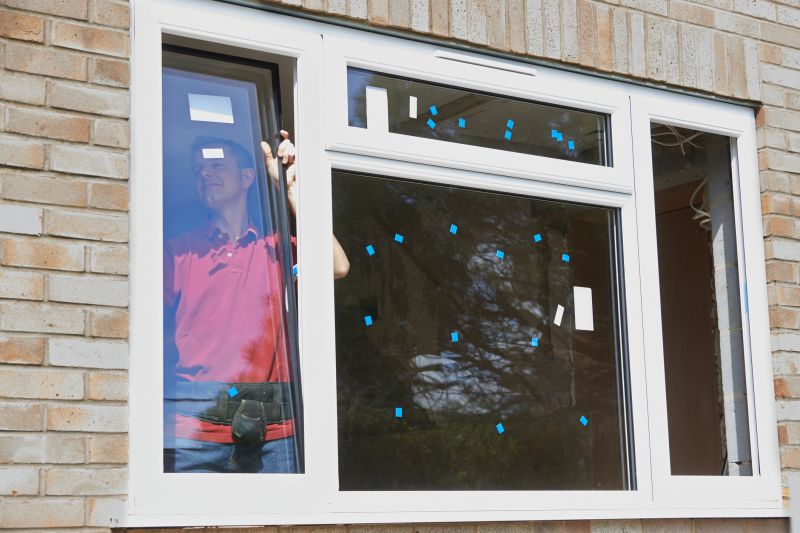
Rough timing from prep to clean-up for Windows Installations.

Quick checks and paperwork to keep after Windows Installations.
Timely Windows installations are vital for maintaining system security and operational efficiency. Proper planning and execution can prevent data loss, reduce downtime, and ensure compatibility with new software features. Regular updates are recommended to keep systems protected against emerging threats and to benefit from the latest improvements.

Align updates with business cycles for minimal interference.

Assess hardware and software compatibility before updates.

Always back up data prior to installation.

Check system performance after updates.

Examples that show the impact a good Windows Installations can make.

Ways to make Windows Installations work in tight or awkward layouts.

Ways to make Windows Installations work in tight or awkward layouts.

Ways to make Windows Installations work in tight or awkward layouts.
Interested in scheduling Windows installations? Filling out the contact form provides an opportunity to discuss suitable timing and preparation strategies to ensure a smooth update process tailored to specific operational needs.